

Instead, Ask What It Costs to Stay
By Lorelei Beightol, Next-Chapter Navigator at BeHome Carolina
I often hear people say: It costs too much to move!
The movers are more expensive than they expected. The repairs feel overwhelming. Nobody knows where to start, and the closets are a whole project of their own. Underneath all of it is confusion and fear. Where am I going?
Other reasons come up just as often:
- “I want to be closer to my grandkids.”
- “This house is too big for me now.”
- “I can’t keep up with the cleaning anymore.”
- “I hate going up the stairs to bed at night.”
- “I miss having real connection with neighbors.”
- “I need to be closer to my doctors.”
- “My commute is ninety minutes each way.”
Moving does cost money. And I believe it costs too much not to move when your home no longer fits the way you want to live.
The Costs That Don’t Show Up on a Closing Statement
Some costs are intangible but very real:
- Ease of living. Climbing stairs every night, or managing a home that has become a burden.
- Time with family. Not experiencing the everyday moments with your grandchildren because the drive or the flight is too far.
- Peace of mind. Walking through a home that feels like a museum, where everything has its place but nothing gets used.
- Less stress. Clutter that no longer matches your life can add to everyday stress, and stress can show up in sleep, diet, and physical health. Those costs may not be dollars, but they affect your quality of life.
What Does the Equity Picture Look Like?
According to the U.S. Census Bureau, nearly 40% of U.S. homeowners did not have a mortgage in 2024. That means many homeowners who sell would have no loan to pay off first. Census Bureau data
For homeowners who still have a mortgage, 41% of mortgaged residential properties in the country had at least 50% equity. That means the loans owed are no more than half of the home’s value. source
Will your profit look the same as it did a few years ago? That depends on your neighborhood and your market, and it’s worth talking through with someone who knows your area.
Ask Better Questions
Instead of asking only whether moving is expensive, try asking:
- What am I investing in if I move?
- Another property, a lifestyle that fits how I live today, a closer connection to family, or more free time because my commute is shorter?
- What is it costing me not to move?
- Look beyond dollars to your health, relationships, energy, and daily happiness.
If you’re honest about the second question, the answer often clarifies the first.
How our Signature Grace2Grow™ Protocol Helps
Our Grace2Grow™ Protocol is a structured approach for homeowners who want to move from where they are to where they really want to be.
It isn’t just listing and selling a home. It’s a plan for changing the way you live, with clarity and ease.
The process includes:
- Clarity: Defining what your next chapter should support, from location and layout to community needs.
- Strategy: Sequencing the decisions, repairs, timing, and logistics so you aren’t making every choice at once.
- Navigation: Working through the process with support, so you feel confident on the path.
Is It Time to Look at Where You Live?
If you’re thinking, “I want to be there, but I don’t know how to get there,” you don’t have to figure it out alone.
Schedule a confidential 10-minute discovery call with us. Nothing you share is shared with anyone else, and it’s a simple first step toward understanding what’s possible for your next chapter.
Because where you live should support how you live.
Joyfully,
Lorelei
BeHome Carolina at Real Broker, LLC
Frequently Asked Questions
Is it really more expensive to stay in a home that no longer fits me?
It depends on your situation. Costs can include home maintenance, the energy it takes to manage a large property, and the less visible costs of stress, distance from family, and limited daily ease. A personal review of your numbers and goals is the best way to compare.
How do I start planning a move in the Charlotte area or Fort Mill?
Start by defining what your next home needs to support: location, layout, community, healthcare access, and budget. Then build a timeline that covers preparing your current home, selling, and buying or renting.
What is the Grace2Grow™ Protocol?
It is Lorelei Beightol’s signature framework for homeowners navigating a life transition involving a home. It combines clarity, strategy, and step-by-step guidance from where you live now to where you want to be.
FROM OUR BLOG

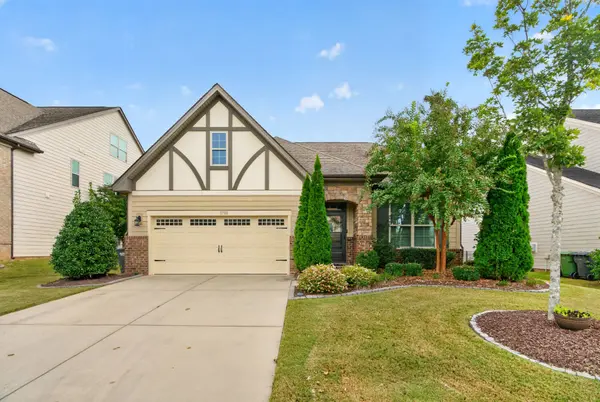
17511 Austins Creek Dr, The Palisades: Where Comfort Meets Community
A home is more than square footage. It is the rhythm of your mornings, the way the evening light settles, and the place you exhale when the door closes behind you. At 17511 Austins Creek Drive in The Palisades, that rhythm has plenty to work with: a main-level primary suite, a loft that flexes to yo

Trusting the Rise: What a 3-Minute Bread Dough Taught Me About Intuition

Your Life Isn't a Statistic: Why Shifting Market Data Doesn't Pause Your Future
The Numbers Shifted. The Opportunity Didn't. If you have been watching the headlines lately, you have likely noticed a shift in the wind. The National Association of REALTORS® (NAR) recently released its revised 2026 Residential Market Forecast, adjusting several key metrics downward. The numbers we
GET MORE INFORMATION